
Introducing New Players to the Sport
Building courts is only half the challenge. The larger opportunity is introducing padel to thousands of Denver residents who have never heard of the sport. Unlike tennis or pickleball, padel still lacks widespread public awareness in the United States.
Despite its rapid growth, the U.S. remains dramatically underserved, with only a few hundred padel facilities serving a nation of more than 340 million people. That makes expanding awareness a greater opportunity than simply persuading players to switch clubs.
Getting Found Online
The next competitive battleground is digital marketing. Search engine optimization, Google Business Profiles, social media, YouTube instruction, online reviews, beginner clinics, email marketing, and local partnerships will become as important as the quality of the courts themselves. The first club that appears in Google, AI search, or a "padel near me" search may earn the first opportunity to introduce someone to the sport.
The most effective marketing strategy is education. Clubs that consistently publish instructional videos, explain the rules, showcase beginner success stories, and become trusted sources of information will likely introduce more people to padel than those relying primarily on traditional advertising. In an emerging sport, the organizations that teach the market often become the market leaders.
Each club enters the market with different strengths. Padel Haus brings experience launching clubs nationally. Denver Racquets Club and Parker Racquet Club can introduce padel to existing tennis and pickleball members.At the same time, Denver Racquets also benefits from its relationship with the Denver Athletic Club's squash community. ACE Padel and Arenna Denver Padel have relationships with equipment manufacturers that may provide cooperative marketing funds to help offset customer acquisition costs.
Competing for Existing Players

Denver's clubs will also compete for the players already active in the sport. Although the market could eventually support thousands of players, today's padel community remains relatively small.
Several factors will influence where those players choose to play.
Community: The strongest competitive advantage is often the community itself. People rarely stay because of the courts alone—they stay because that's where their friends play. Welcoming staff, leagues, mixers, WhatsApp groups, and social events create lasting relationships that drive long-term member retention.
Court Utilization: Padel clubs have high fixed costs, and every empty court represents lost revenue. Successful clubs will maximize utilization through leagues, lessons, open play, junior programs, corporate events, and beginner clinics. The clubs with the highest occupancy—not necessarily the most courts—are likely to achieve the strongest financial performance.
Programming: Well-organized leagues, clinics, drills, tournaments, and open play keep members engaged, improve player development, and encourage repeat visits.
Teaching Professionals: Great coaches combine playing ability with communication skills, patience, and the ability to teach every skill level. Outstanding instruction attracts new players and builds long-term loyalty.
Facilities: Court quality is only the beginning. Clean facilities, thoughtful layouts, quality lighting, comfortable indoor temperatures, and efficient scheduling all contribute to a superior member experience.
Amenities: Some players want a court, while others value locker rooms, showers, food and beverage service, a pro shop, spectator areas, and ample parking. Clubs that understand their target market can tailor amenities to match member expectations.
Together, these factors define the overall member experience. While price and location often determine where someone first tries padel, programming, coaching, facilities, and community usually determine where they continue to play.
Key Takeaways
Padel's history in Europe and Latin America demonstrates how quickly participation can accelerate once awareness reaches critical mass. Denver appears to be entering that stage. The clubs that deliver the best overall player experience will be best positioned for long-term success.
Community Creates Loyalty
Outstanding facilities attract first visits, but friendships keep members coming back. Leagues, tournaments, mixers, open play, food and beverage, and active WhatsApp groups create the relationships that build long-term loyalty.
Digital Visibility Matters
The first interaction with a club often happens online. Strong Google rankings, AI visibility, Google Reviews, YouTube instruction, and educational content often determine which club earns a prospective player's first visit. The club with the most popular website usually wins the organic and AI search traffic battle.
Convenience Drives Participation
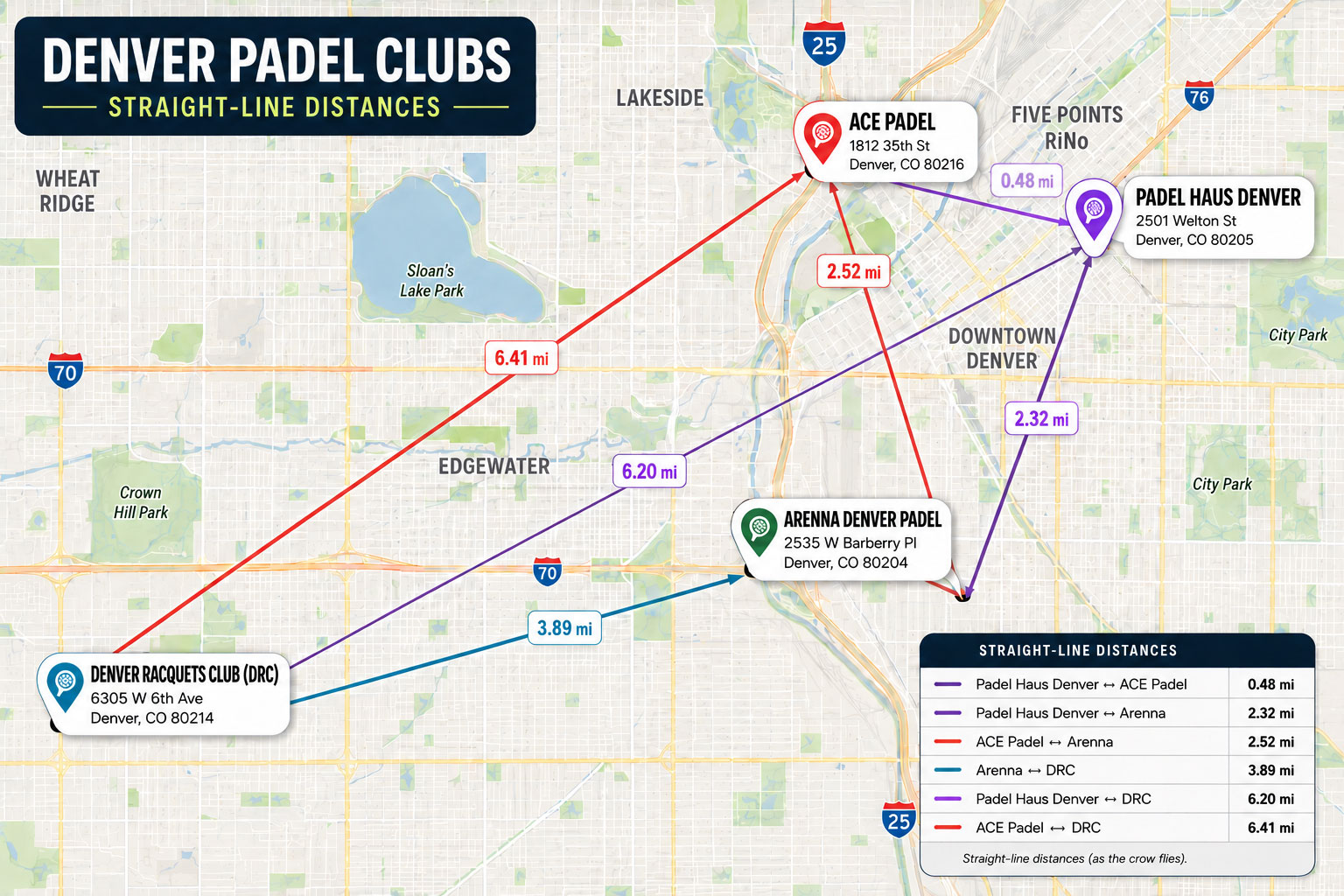
Most players choose a club close to home or work. While exceptional facilities can attract occasional visitors from farther away, convenience is often the deciding factor for regular weekly play.
Value Matters More Than Price
As players become regulars, convenience, instruction, community, and playing opportunities typically become more important than hourly court rates or membership fees. The clubs delivering the greatest overall value—not necessarily the lowest prices—are likely to retain the most loyal members.
Conclusion
Denver's padel market is entering its first period of meaningful competition. As new clubs open and player awareness grows, success will depend on more than building courts. The organizations that combine outstanding programming, strong digital visibility, and an exceptional member experience will be best positioned to become Colorado's long-term leaders.
Why Downs Digital Marketing
As Denver's padel market enters its next stage of growth, Downs Digital Marketing helps clubs become the trusted online authority that new players discover first—and existing players remain loyal to.
Downs Digital Marketing
303-748-5851